
Sex crime defense is the only thing we do
No DUIs, no drug cases, no injury claims. Our attorneys work on sexual offense charges under the same Arizona statutes, in the same court, against the same prosecuting office.
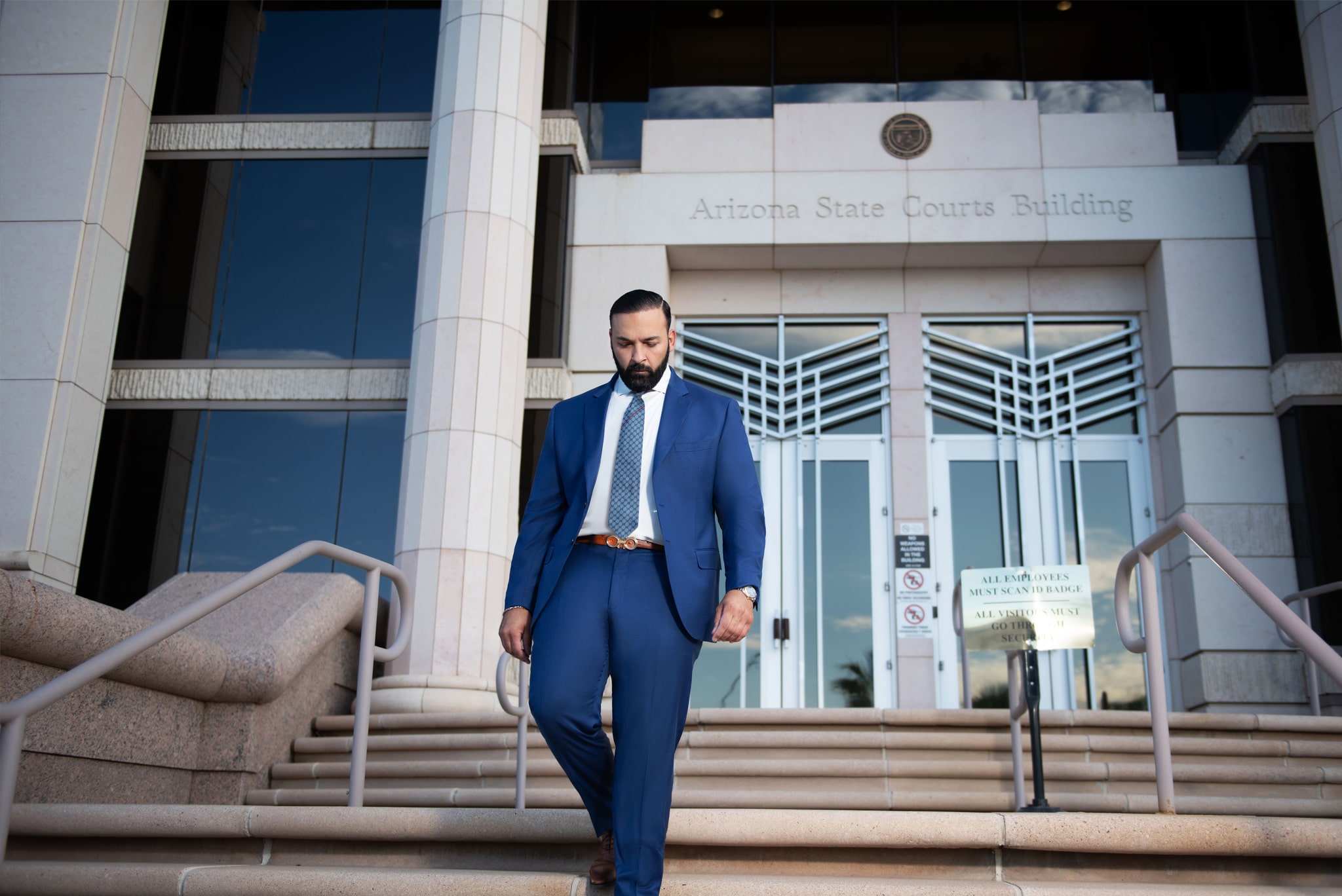
One accusation can take a career, a family, and a reputation before a court hears any evidence. Our Arizona sex crime defense attorneys represent people accused of sexual offenses in Phoenix and every city in the Valley, from the first call by a detective through trial.










Sexual offense prosecutions are unlike any other criminal case. The evidence is often one person's account, a recorded interview, and the contents of a phone. Defending them in Phoenix, in Maricopa County Superior Court, is all this office does.
Phones, messages, and cloud accounts are often central evidence in these cases. We examine how each device was seized, what the extraction report shows, and what was left out.
The way a question is asked shapes the answer. We review forensic interviews, confrontation calls, and police interrogations for suggestion and error.
Mandatory prison, lifetime probation, and registration turn on details of the charge. You will know exactly what you face and what can be done about it.
At many criminal defense firms, sex crimes are one practice area among many. Here it is the only one, and everything about the firm is built around it.
No DUIs, no drug cases, no injury claims. Our attorneys work on sexual offense charges under the same Arizona statutes, in the same court, against the same prosecuting office.
Our Phoenix sex crimes lawyers have charged these cases, investigated them, and defended them. We know how the state builds a file because members of this team used to build them.
Digital forensic examiners for child pornography and internet cases. Forensic interviewing and memory experts for cases involving children. DNA and medical experts for sexual assault. A psychosexual evaluation, which can include a polygraph, where it can help show the accused is not the kind of person who would do what is alleged.
Felony sex crime charges from Phoenix, Scottsdale, Mesa, Chandler, Glendale, and every other Valley city are filed in the same court. That is where we practice, and we know how it runs.
The investigation stage is when a defense lawyer can do the most. We take over contact with the detective, preserve evidence that helps you, and put your side in front of the prosecutor early.
Founding attorney Michael Tamou has been named to The National Trial Lawyers Top 100 and Top 40 Under 40, Southwest Super Lawyers, and Elite Lawyer for criminal defense. Each listing is linked on this page so you can check it.
We contact you only by the method you choose and never leave a message that says why we are calling. The first consultation is free and can usually be arranged the same day.
Mandatory prison, Dangerous Crimes Against Children sentencing, lifetime probation, and registration turn on details. You will be told exactly where you stand, including the parts that are hard to hear.
Select a charge for the statute, the elements the state must prove, the sentencing range, and the defenses most often raised.
These are twelve of the most serious and most common charges. The site explains 58 Arizona sex crime statutes in all, including sentencing, registration, bail, and evidence law.
See Every Arizona Sex Crime LawA detective who asks for your side of the story is assembling evidence. State that you wish to have a lawyer present and end the conversation. Truthful people are charged on the basis of their own explanations.
Calls and messages from the reporting party are sometimes arranged and recorded by police. An apology offered to keep the peace can be presented to a jury as an admission.
Deleting messages, images, or accounts may be charged as tampering with evidence, and it can destroy material that supports the defense.
Defense counsel can communicate with the detective and prosecutor on your behalf, secure favorable evidence, and in some matters prevent charges from being filed at all.
Maricopa County does not run these cases the way the textbooks describe. Hearings are set that never happen, the charge usually arrives by grand jury, and the court dates move. This is the real sequence.
A report is made to a city police department or the Maricopa County Sheriff. A detective takes statements, may set up a recorded call from the accuser, may ask you to come in and talk, and may get warrants for your phone and accounts. This can go on for weeks or months with no arrest.
The arrest may come at the end of a long investigation or the same day as the report. You are booked into a Maricopa County jail. Anything said to officers, in the patrol car, or on a jail phone can be used later.
You see a judicial officer within about a day of the arrest. Release conditions are set here. Almost everyone charged with a sex offense in Maricopa County is given a bond; the main exception is a person who was on felony probation when arrested. The bond is usually high, and ankle monitoring is typically required as a condition of release, along with an order to have no contact with the accuser.
After the initial appearance, the court schedules a status conference and a preliminary hearing. In Maricopa County they are usually vacated before anyone walks into the courtroom, because the County Attorney takes the case to a grand jury instead.
Maricopa County charges most felony sex cases by indictment. The grand jury meets in private and hears only the prosecutor's presentation. You are not there, your lawyer is not there, and no one cross-examines the witnesses. If the grand jurors find probable cause, they return an indictment and the preliminary hearing is no longer needed.
The first court date on the indictment. A plea of not guilty is entered, the case is assigned to a trial judge, and the court sets the four dates that carry the case to trial.
From the arraignment forward, the case runs on four settings.
The first setting in front of the assigned judge. The court checks on disclosure, the status of any plea offer, and what each side still needs.
A fuller review of the case: outstanding evidence, witness interviews, motions to be filed, and whether the case is headed to trial.
The last conference before trial. Witnesses, exhibits, jury matters, and scheduling are settled so the case is ready to start.
The state must prove every element of the charge beyond a reasonable doubt to a jury in Maricopa County Superior Court.
These dates are commonly moved. Continuances are routine in Maricopa County sex crime cases, so the first trial date on the calendar is rarely the day a trial begins. A case can also end at any point along the way by dismissal or a negotiated plea.
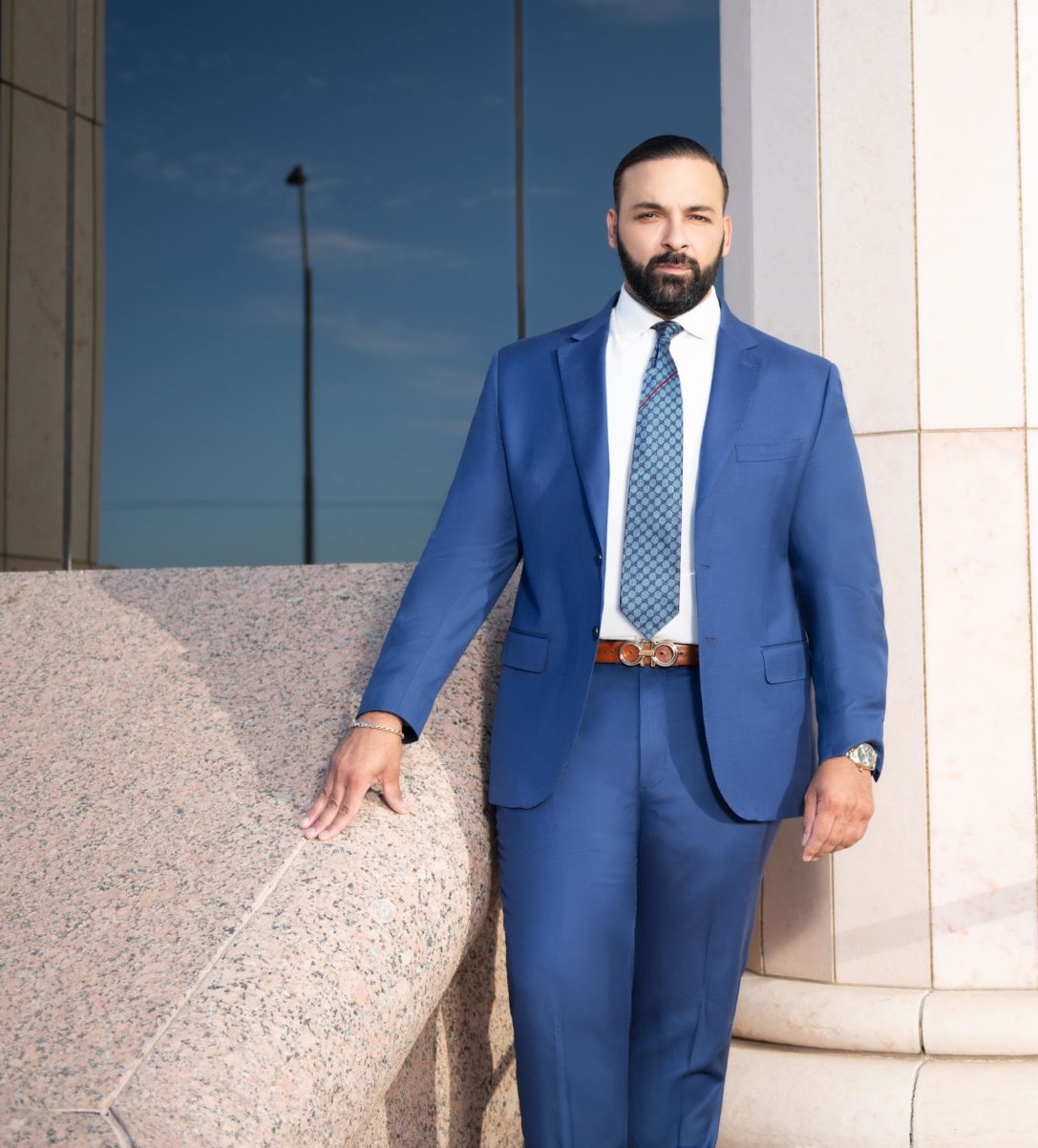
A sex crime case is built by a detective, charged by a prosecutor, and defended in a courtroom. Our Phoenix sex crimes lawyers have done all three jobs. Led by Michael Tamou, the team knows how these cases are put together because its members used to put them together.
Know how the Maricopa County Attorney's Office evaluates a file, what goes to the grand jury, and what moves a charging or plea decision.
Know how detectives run interviews, confrontation calls, search warrants, and sting operations, and where those investigations cut corners.
Have tried and negotiated serious felonies in Maricopa County Superior Court, in front of the same judges, week after week.
A child pornography case is decided by digital forensics. A sexual assault case may turn on DNA, a medical exam, or how much someone had to drink. Our Phoenix sex crimes lawyers match the experts to the charge, and almost every case includes a psychosexual evaluation.
A qualified evaluator examines the accused through testing and a clinical interview and writes a report. The report can show that the person is not sexually interested in the ages or the behavior alleged and is not the kind of person who acts that way. It may include a polygraph, and the defense can use it in negotiations and at sentencing.
Makes an independent examination of phones, computers, and cloud accounts: how a file arrived on a device, who was using it at the time, and whether the state's extraction report actually supports the charge.
A physician who addresses whether the person depicted can reliably be identified as a minor, which is something the state must prove.
Reviews the recorded interview of a child against accepted protocol and identifies leading, repeated, or suggestive questioning.
Explains to a jury how memory forms and changes, and how outside influence can alter an account over time.
Reviews the crime lab's testing, mixture interpretation, and statistics, and what the biological evidence can and cannot show.
Reviews the sexual assault examination and the medical records, and explains what the findings are and are not consistent with.
Addresses alcohol and drug levels, memory blackouts, and the difference between being intoxicated and being unable to consent.
Maps call records, tower data, and app location history to build or test a timeline.
A former law enforcement officer who evaluates how an investigation, interrogation, or undercover sting operation was run.
Locates and interviews witnesses, collects records and video, and tests the police account against what can be proven.
A confidential examination arranged through counsel. The result stays privileged unless the defense chooses to use it in negotiations.
Traces money in cases that turn on who received, shared, or controlled the proceeds.
Addresses mental health, cognitive ability, and competency where they bear on intent, statements to police, or sentence.
Assembles the personal history, records, and treatment plan a judge needs to see when sentence or probation is decided.
Experts are retained where the case calls for them. Their work is done through counsel and stays confidential unless the defense decides to use it.
These penalties are written into statute. A judge often has no authority to depart from them, which is why early defense work carries so much weight.
Several offenses carry prison terms that cannot be suspended or replaced with probation, served with little or no early release.
When the alleged victim is under fifteen, A.R.S. § 13-705 imposes enhanced terms, generally served consecutively for each count, up to life.
Registration under A.R.S. § 13-3821 has no end date for most offenses, and it reaches housing, employment, travel, and community notification.
Supervision can last for life, with sex offender terms governing residence, internet use, treatment, and contact with minors.
No two cases are defended the same way. These are the questions examined in nearly every file that comes into the office.
Whether the state can prove the absence of consent beyond a reasonable doubt, as Arizona defines it.
Custody disputes, the end of a relationship, and other reasons an account may have been invented or enlarged.
Whether a child was questioned repeatedly or suggestively before and during the recorded interview.
Whether the warrant was valid and whether the search of a device stayed within its terms.
Whether admissions were obtained in violation of Miranda or through improper inducement.
Whether the state can prove who was using a device or account at the relevant time.
In undercover operations, whether the idea for the offense originated with law enforcement.
Whether the evidence, taken as a whole, satisfies each element of the offense charged.
Police and prosecutors can act on one person's statement. A sex crime defense attorney's first job is to find out how the accusation came about and what the investigation left out.
Prison and probation are only part of the exposure. These consequences are a reason the outcome of the charge itself, and not only the length of a sentence, drives the defense.
From the first day we walked into the office he made us feel very welcome and comfortable. We were in constant contact with Michael throughout the whole process and he never let us feel as if we were being left hanging.
It does not matter whether Scottsdale police, Buckeye police, or the Sheriff made the arrest. Felony sex crime charges from every city in the Phoenix metropolitan area are filed in Maricopa County Superior Court, not in the city court where the arrest happened.
Downtown Phoenix. One court and one prosecuting office for the whole Valley. This is where our Phoenix sex crimes lawyers practice.
Because an interview is a method of collecting evidence. By the time a detective calls, the accusation has usually been accepted as credible. People under stress misremember details, and those errors are later characterized as lies. Your account can be given, through counsel, at a time and in a form that protects you.
Yes. Prosecutors in Maricopa County file sexual offense charges on the statement of a single witness. Credibility, timelines, and the history between the parties then become the center of the case.
No. Consultations are confidential. The firm contacts you only by the means you specify and does not leave messages that disclose the subject of the call.
Not every one. Many convictions require registration, and for most of them the statute sets no end date, but the requirement depends on the offense and on how the case is resolved. Avoiding registration is frequently a primary objective of the defense.
Maricopa County Superior Court. It does not matter which Phoenix-area city made the arrest. Felony sex crime charges from every city in the Valley are filed in the Superior Court and prosecuted by the Maricopa County Attorney, not in the city court where the arrest happened.
There is no charge for the first consultation, and it can usually be scheduled for the same day.
An attorney of the firm will review what you send and respond by the method you choose.